

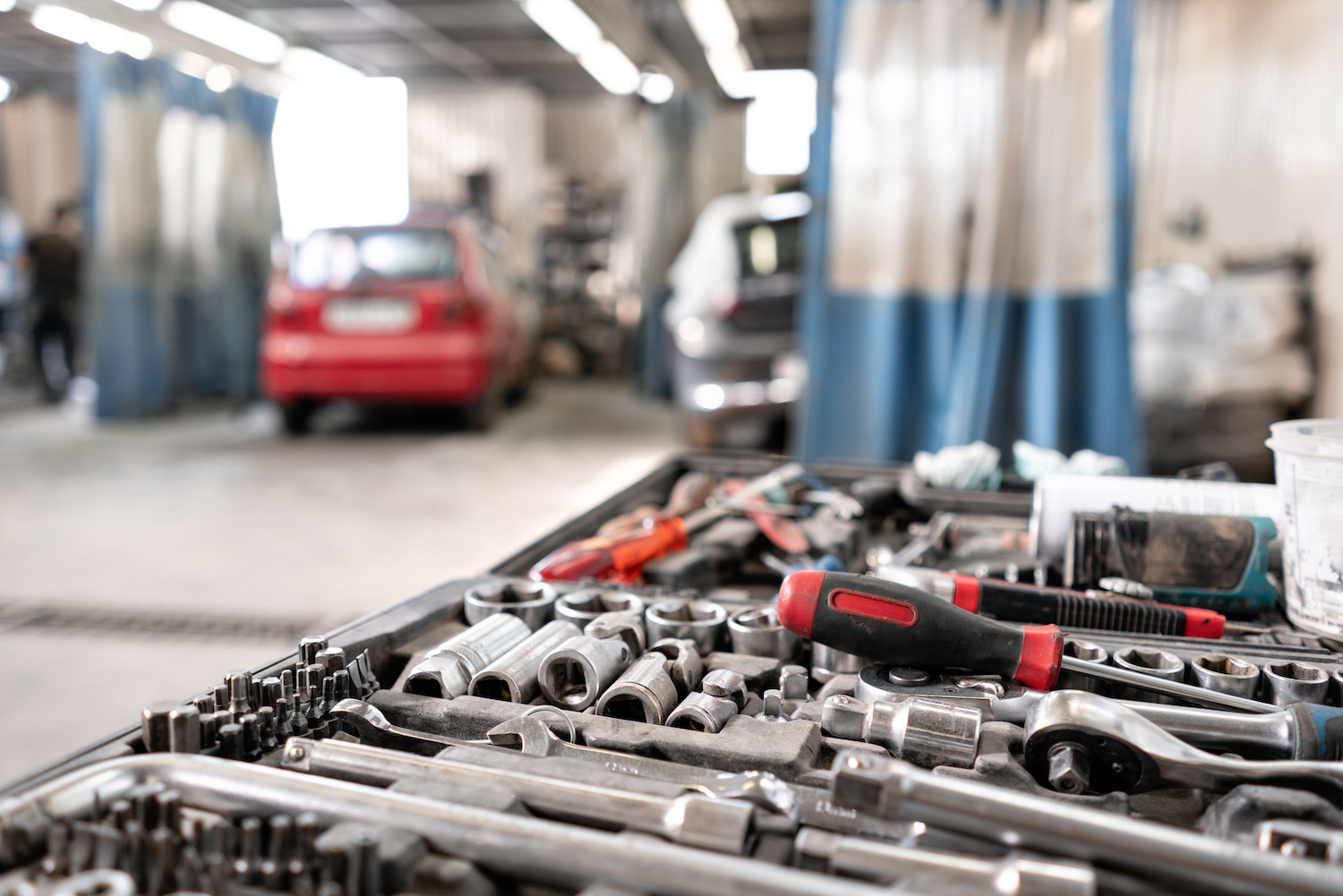
Running a successful auto repair shop requires more than skilled technicians and quality service; it depends heavily on the tools and equipment that make diagnostics, repairs, and maintenance accurate and efficient. The automotive repair industry has evolved dramatically, with modern vehicles featuring advanced electronics, sensors, and computerized systems that demand precise instruments and technology. Whether a shop specializes in routine maintenance or complex repairs, investing in the right equipment ensures productivity, safety, and customer satisfaction.
The Importance of Proper Tools in Auto Repair
In today’s fast-paced automotive world, vehicles are more complex than ever. Mechanics no longer rely solely on wrenches and screwdrivers; they use diagnostic computers, hydraulic lifts, and precision calibration instruments. The right tools not only save time but also reduce human error and prevent costly mistakes. Properly equipped repair shops can service a broader range of vehicles and perform repairs more efficiently, leading to higher profits and customer trust.
Diagnostic Equipment: The Foundation of Modern Repair
Modern vehicles rely heavily on electronic systems that control everything from fuel injection to braking. Identifying problems within these systems requires advanced diagnostic equipment.
1. OBD-II Scanners
Every auto repair shop should have high-quality OBD-II (On-Board Diagnostics) scanners. These devices read and interpret fault codes from the vehicle’s computer system, allowing technicians to identify specific issues quickly. Professional-grade scanners provide real-time data on sensors, emissions, and engine performance, helping pinpoint problems before they worsen.
2. Digital Multimeters
A digital multimeter is indispensable for testing voltage, current, and resistance in a vehicle’s electrical system. Since many vehicle issues stem from electrical faults, a multimeter helps diagnose dead batteries, faulty alternators, and malfunctioning sensors accurately.
3. Oscilloscopes
Automotive oscilloscopes are used to analyze complex electrical signals. They are especially useful when diagnosing issues in advanced systems like ignition, fuel injection, and hybrid drivetrains. With an oscilloscope, technicians can visualize voltage waveforms, helping them detect subtle faults that standard scanners might miss.
4. Smoke Machines
Smoke machines help locate vacuum leaks and exhaust leaks. By introducing non-toxic smoke into the intake or exhaust system, mechanics can visually detect escaping smoke, making leak detection faster and more accurate.
Lifting and Hoisting Equipment
Accessing a vehicle’s underside safely and efficiently requires the right lifting tools. These tools not only improve accessibility but also ensure safety during heavy-duty repairs.
1. Two-Post and Four-Post Lifts
Hydraulic lifts are the backbone of any professional auto repair shop.
- Two-post lifts are ideal for general repairs as they allow easy access to both wheels and the undercarriage.
- Four-post lifts, on the other hand, offer stability and are perfect for alignment work and heavy vehicles.
Both types should meet safety standards and have sufficient lifting capacity for modern SUVs, trucks, and electric vehicles.
2. Transmission Jacks
When removing or installing transmissions, a specialized transmission jack provides secure lifting and precise positioning. Adjustable arms and safety chains ensure stability, reducing the risk of damage or injury.
3. Engine Hoists and Stands
For engine removal or overhauls, an engine hoist is indispensable. Paired with an engine stand, it allows technicians to work on engines comfortably and safely. These tools support the engine’s weight and provide mobility around the workshop.
Tire and Wheel Service Equipment
Since tires and wheels are among the most frequently serviced parts, having high-quality tire service tools enhances both efficiency and customer satisfaction.
1. Tire Changers
Automatic or semi-automatic tire changers simplify mounting and dismounting tires without damaging the rims. Modern versions include bead-breaking technology that accommodates run-flat and low-profile tires.
2. Wheel Balancers
A wheel balancer ensures smooth driving by evenly distributing tire weight. Unbalanced tires cause vibrations and uneven wear, so accurate balancing is crucial. Digital balancers can pinpoint the exact location and weight needed for correction.
3. Alignment Machines
Wheel alignment equipment ensures tires meet the road at the correct angles, improving handling, safety, and fuel efficiency. Advanced alignment systems use laser or camera technology to provide precise measurements and digital reports.
4. Tire Pressure Monitoring System (TPMS) Tools
As TPMS is mandatory in modern vehicles, repair shops must have tools to test, reset, and reprogram TPMS sensors. This ensures proper tire pressure monitoring after repairs or replacements.
Brake Service Equipment
Brakes are vital to vehicle safety, so specialized tools ensure accurate inspection and maintenance.
1. Brake Lathes
A brake lathe resurfaces rotors and drums, ensuring smooth and even braking. This reduces noise and vibration, extending the life of brake components.
2. Brake Bleeding Systems
Air trapped in the brake lines compromises braking performance. Modern brake bleeding systems use vacuum or pressure technology to remove air quickly and thoroughly, ensuring safe and reliable operation.
3. Caliper Tools and Compressors
These tools make removing and compressing brake calipers easier during pad replacement. High-quality caliper compressors ensure even pressure distribution and prevent damage to brake components.
Fluid Management Systems
Proper fluid maintenance is critical for vehicle performance and longevity. Repair shops must handle oil, coolant, transmission fluid, and brake fluid efficiently and safely.
1. Oil and Fluid Evacuators
Fluid evacuators simplify draining and refilling fluids. Pneumatic or electric-powered models eliminate the mess associated with traditional draining methods, saving time and maintaining cleanliness.
2. Coolant Flush Machines
A coolant flush machine removes old coolant, cleans the system, and refills it with fresh fluid. This prevents overheating, corrosion, and engine damage.
3. Transmission Fluid Exchange Machines
Replacing transmission fluid manually is time-consuming and often incomplete. Fluid exchange machines replace nearly all old fluid with new, ensuring smooth gear shifts and longer transmission life.
Air Tools and Compressors
Compressed air is essential in any auto repair shop, powering a range of pneumatic tools that improve efficiency.
1. Air Compressors
A reliable air compressor powers tools like impact wrenches, paint sprayers, and tire inflators. Selecting a compressor with sufficient capacity ensures consistent pressure and long-lasting performance.
2. Impact Wrenches
Impact wrenches make removing lug nuts and bolts effortless. Available in pneumatic or cordless electric versions, these tools provide high torque output, saving technicians time and reducing fatigue.
3. Air Ratchets and Grinders
Air ratchets provide faster tightening and loosening in tight spaces, while grinders are ideal for smoothing surfaces and removing rust or welds.
Body Repair and Painting Equipment
For shops offering collision repair or refinishing services, specialized equipment ensures professional-quality results.
1. Frame Straightening Machines
Frame straightening systems restore the structural integrity of damaged vehicles. Hydraulic towers pull and align frames back to factory specifications, ensuring safety and precision.
2. Paint Booths
A controlled painting environment is essential for achieving high-quality finishes. Modern paint booths feature air filtration systems that prevent dust contamination and ensure even paint application.
3. Dent Repair Tools
Paintless dent repair kits allow technicians to fix minor dents without repainting. Tools like dent pullers, suction cups, and heat guns make these repairs quicker and more cost-effective.
Safety and Environmental Equipment
Safety and environmental compliance are non-negotiable in today’s auto repair industry. Shops must prioritize both technician safety and eco-friendly practices.
1. Personal Protective Equipment (PPE)
Technicians should always wear gloves, safety glasses, steel-toe boots, and hearing protection. Proper PPE reduces the risk of injury during mechanical and electrical work.
2. Exhaust Extraction Systems
When engines run indoors, harmful exhaust fumes can accumulate. Exhaust extraction systems remove these gases, ensuring clean and safe air quality for workers.
3. Spill Containment and Waste Management
Proper waste disposal systems prevent contamination and comply with environmental laws. Shops should have spill kits, oil separators, and recycling containers for used fluids and parts.
Specialized Tools for Modern Vehicles
With the growing popularity of hybrid and electric vehicles (EVs), auto repair shops must adapt their toolkits to accommodate these technologies.
1. High-Voltage Insulation Tools
Working with EV batteries requires insulated tools rated for high-voltage use. These tools protect technicians from electric shock while ensuring safe battery repairs and replacements.
2. Battery Lifting and Cooling Systems
EV batteries are heavy and sensitive to temperature changes. Specialized lifting devices and temperature-controlled storage systems allow safe handling and maintenance.
3. Software and Firmware Update Tools
Electric and hybrid vehicles often require software updates for performance optimization. Shops need manufacturer-approved software tools to perform diagnostics, reprogram modules, and update firmware.
Organizational and Shop Management Tools
Efficiency in auto repair isn’t just about wrenches and lifts—it also involves organization and workflow management.
1. Workbenches and Tool Storage Systems
A well-organized workspace increases productivity and minimizes tool loss. Modular tool chests, pegboards, and labeled drawers ensure every tool is easily accessible.
2. Shop Management Software
Digital management systems streamline operations by tracking work orders, scheduling maintenance, managing inventory, and processing payments. This technology improves accuracy and enhances customer satisfaction.
3. Customer Communication Tools
Modern auto repair shops use digital inspection tools to send customers photos and videos of their vehicle’s issues. This transparency builds trust and helps customers make informed repair decisions.
FAQ
Q1: How often should auto repair tools be calibrated or serviced?
Critical tools like torque wrenches and diagnostic equipment should be calibrated every 6 to 12 months to ensure accuracy and compliance with industry standards.
Q2: What is the most essential piece of equipment for a new auto repair shop?
For startups, a high-quality lift, diagnostic scanner, and air compressor are the top priorities, as they form the foundation for most repair and maintenance work.
Q3: Are digital diagnostic tools compatible with all vehicle models?
Most professional scanners support a wide range of makes and models, but it’s crucial to update their software regularly for compatibility with new vehicles.
Q4: How can auto repair shops ensure technician safety when using heavy machinery?
Safety training, proper use of PPE, regular equipment maintenance, and adherence to OSHA standards are essential to minimizing risks.
Q5: Why is it important for repair shops to invest in EV repair tools?
As electric and hybrid vehicles become more common, shops that invest in EV tools and training will stay competitive and meet the growing demand for specialized service.
Equipping an auto repair shop with the right tools and technology is an investment in efficiency, safety, and quality. As vehicles evolve, so must the equipment that keeps them running, ensuring that every repair is accurate, timely, and professional.