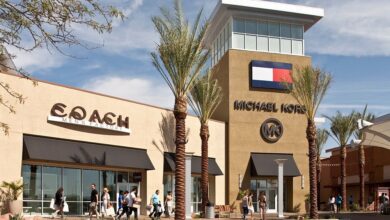

The modern outlet retail sector operates within a unique commercial reality. Unlike conventional suburban shopping malls or downtown boutiques that depend on steady streams of local commuters and casual neighborhood pedestrians, outlet centers are regional shopping destinations. Customers routinely travel substantial distances, often spending an hour or more behind the wheel to reach an open-air outlet village. Because these trips require considerable effort, planning, and investment from the shopper, retail operators cannot rely solely on standard merchandising to drive consistent sales performance.
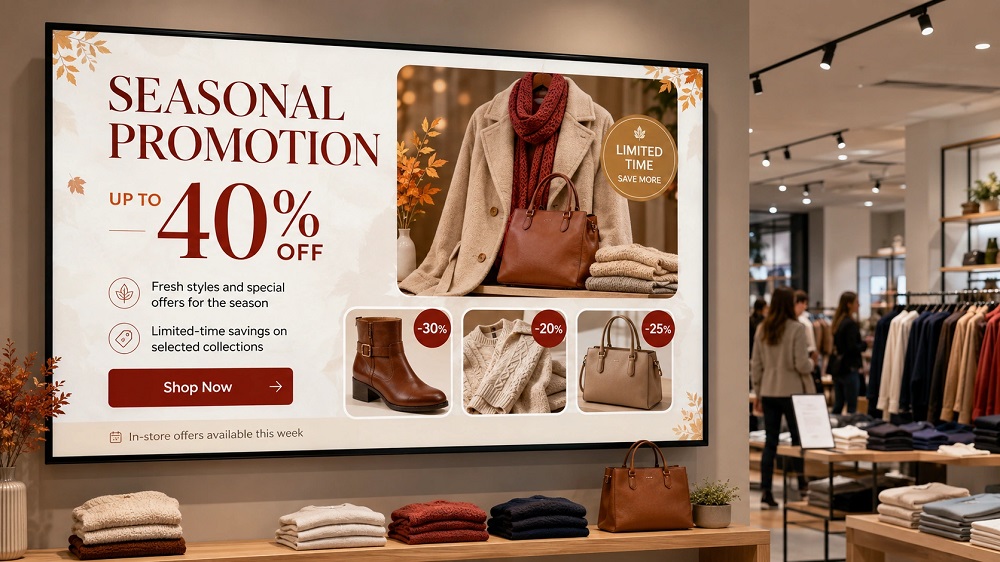
Every store inside an outlet mall already features baseline markdowns, typically ranging from twenty to forty percent below standard manufacturer prices. Because everyday discounts represent the baseline expectation of every visitor, retailers need sharper promotional mechanisms to encourage fast purchasing decisions. Limited-time promotions serve as this essential catalyst. By introducing bounded timelines, urgent marketing messages, and tiered incentives, outlet operators convert casual browser visits into decisive, high-value transactions that clear seasonal stockrooms while preserving brand prestige.
The Psychological Mechanics of Time-Sensitive Discounts
The effectiveness of a limited-time promotion rests on fundamental principles of consumer psychology and behavioral economics. When discounts exist indefinitely, consumers take their time, analyze competing options, and postpone purchases. Compressing the window of opportunity changes how shoppers perceive value, turning an ordinary transaction into an urgent decision.
Scarcity and the Urgency Impulse
Scarcity influences human choice by making opportunities appear more desirable the moment their availability becomes restricted:
-
Fear of Missing Out: When an outlet store announces a forty-eight-hour flash event on outerwear, shoppers recognize that postponing a decision until tomorrow might mean losing both the preferred size and the promotional price point.
-
Loss Aversion: Behavioral research demonstrates that the emotional pain of losing an opportunity is roughly twice as powerful as the joy of gaining an equivalent benefit. Shoppers view walking away from an expiring deal as an active financial loss.
-
Heuristic Processing: Time constraints reduce cognitive deliberation. Instead of comparing fabric compositions or checking competitive prices on mobile devices, shoppers rely on quick visual cues, trusting that a time-capped red tag represents the absolute bottom dollar price.
Heightened Perceived Value and the Thrill of the Hunt
Outlet shoppers arrive with a bargain-hunting mindset. They do not view their trip as routine consumption; they view it as an active search for hidden bargains:
-
The Sunk-Cost Justification: Visitors who have driven long distances feel an internal urge to justify their travel time, fuel costs, and highway tolls. An expiring promotional deal provides immediate emotional validation for the trip.
-
Gamification of the Floor: Promotions featuring short countdowns, doorbuster thresholds, or tiered volume brackets make the sales floor feel interactive and dynamic, rewarding proactive discovery.
-
Post-Purchase Satisfaction: Buyers who complete purchases during time-sensitive events experience high post-purchase satisfaction, often recounting the story of their lucky deal to friends and family, which generates valuable word-of-mouth promotion for the retail brand.
Driving Foot Traffic to Regional Destination Centers
Because outlet centers sit beyond city cores, foot traffic remains volatile. Weekday mornings and mid-winter weeks often experience quiet sales floors, while holiday weekends face heavy crowding. Limited-time promotions give retail marketers the tools to manage and smooth out these traffic curves.
Activating Non-Peak Shopping Windows
Running promotions during quiet operational periods balances labor allocation and inventory velocity:
-
Mid-Week Flash Events: Offering exclusive incentives, such as double loyalty points or an additional twenty percent off footwear on Tuesday and Wednesday mornings, draws retirees, local residents, and flexible remote workers into the center.
-
Weather-Responsive Flash Sales: Agile outlet operators deploy short digital campaigns ahead of sudden regional rainstorms or cold snaps, offering brief discounts on rain boots, parkas, and fleece layers to capture immediate consumer need.
-
Off-Season Clearances: Brief mid-season events held during transition months, such as late February or early August, draw dedicated bargain hunters who help clear old collections before incoming merchandise hits the receiving docks.
Amplifying Major Three-Day Holiday Weekends
Memorial Day, Labor Day, and Presidents Day weekends are the structural pillars of outlet retail profitability. Limited-time promotions during these holidays create shopping events that dominate regional consumer spending:
-
Early-Bird Doorbusters: Offering deep discounts restricted strictly between eight and ten in the morning spreads out parking capacity and ensures strong sales volumes before midday congestion sets in.
-
Tiered Spend-and-Save Thresholds: Promotions structured around escalating incentives, such as save twenty dollars on one hundred, fifty on two hundred, or one hundred on three hundred, incentivize shoppers to cross product categories to unlock the next discount tier.
-
Center-Wide Coordination: When leasing developers coordinate simultaneous promotions across dozens of apparel, athletic, and houseware brands, the cumulative promotional gravity makes the outlet center an unmissable regional destination.
Protecting Brand Prestige and Price Integrity
For premium apparel houses and luxury designers, discounting carries inherent operational risk. Slashing prices permanently or advertising open-ended sales can easily damage brand prestige, teaching loyal consumers never to pay full retail price at flagship boutiques.
Preserving Full-Price Anchoring
Time-restricted promotional events allow brands to protect their premium image while quietly clearing seasonal volume:
-
Clear Event Boundaries: Because the special pricing is tied explicitly to a specific calendar event, such as a semi-annual weekend or a holiday event, the core value proposition of the product remains intact once the sale closes.
-
Avoiding Everyday Low Price Traps: When prices stay permanently depressed, consumers begin to question the underlying craftsmanship and prestige of the brand. Confining steep markdowns to narrow windows prevents consumer skepticism.
-
Brand Segmentation: Outlet stores can run deep promotional events on previous-season goods while flagship downtown stores maintain strict price discipline on current collections, ensuring the two channels serve distinct consumer groups without cannibalizing high-margin boutique sales.
Mitigating Margin Dilution
Blanket price cuts erode gross margins rapidly. Limited-time promotions allow merchandise planners to preserve profitability through targeted design:
-
Category-Specific Exclusions: Brands frequently exempt evergreen, core products like classic denim fits, black leather belts, and white button-down shirts from short-term promotions, directing margin reductions only toward volatile, trend-driven fashion items.
-
Inventory Gating: Retailers often release specific batches of merchandise exclusively for the promotional window, returning unsold units to backroom storage once the promotional period expires to preserve pricing integrity.
Accelerating Inventory Velocity and Working Capital Health
Carrying excess inventory ties up expensive credit lines, drives up regional warehousing expenses, and increases the likelihood of product damage on crowded sales floors. In the fast-moving fashion, footwear, and consumer goods sectors, clearing old stock is vital for maintaining corporate liquidity.
Managing Seasonal Stock Transitions
Every square foot of an outlet sales floor must justify its presence in sales dollars per week. Lingering summer shorts in October or unsold winter coats in April block the introduction of profitable current-season items:
-
Rapid Depletion of Broken Size Runs: When a clothing line is reduced to scattered extra-small and extra-large sizes, standard pricing rarely moves the remaining units. A short buy one, get two free promotion quickly liquidates these odd sizes, opening display space for fresh merchandise.
-
Shortening the Markdown Lifecycle: Traditional clearance models rely on successive rounds of passive price cuts that can drag on for months. A sharp, brief promotional burst accomplishes the same liquidation target in a single weekend, freeing up cash flow immediately.
-
Minimizing Secondary Liquidations: Liquidating unsold merchandise through off-price jobbers or third-party discounters yields pennies on the dollar and surrenders control over how the brand is presented. Using targeted promotions inside company-owned outlet stores ensures the brand captures the highest possible recovery value.
Integrating Modern Digital Outreach and Omnichannel Touchpoints
The execution of limited-time promotions has moved far beyond simple paper banners and store window posters. Modern retail operations rely on real-time digital communication channels that reach consumers directly on their personal mobile devices.
-
Geo-Fenced Mobile Notifications: Outlet developers use beacon technology and geo-fencing to detect when registered loyalty club members arrive on property, automatically delivering exclusive, two-hour digital coupons straight to their smartphones.
-
SMS VIP Channels: Text-message marketing delivers exceptional open rates. Brands leverage SMS lists to announce short flash sales, giving high-value customers a sense of insider access and priority treatment.
-
Social Media Countdown Campaigns: Publishing interactive digital countdown clocks across visual platforms builds anticipation days in advance of an upcoming factory weekend, prompting followers to coordinate shopping trips with friends.
Limited-time promotions are the operational engine of the modern factory outlet sector. Far from being crude markdown mechanisms, these carefully structured campaigns balance the consumer desire for urgency and deep value with the retailer need for inventory turnover, brand protection, and healthy operating margins. By turning routine discount shopping into a timely, exciting event, time-sensitive promotions ensure that outlet centers remain profitable, engaging regional destinations for generations of value-conscious consumers.
Frequently Asked Questions
How do limited-time promotions differ functionally from everyday outlet store discounts?
Everyday outlet pricing represents the baseline markdown that is printed directly on the product price tag, typically twenty to forty percent below the original retail price, which remains active all year long. A limited-time promotion is an additional, temporary overlay applied on top of that baseline price, such as take an additional thirty percent off all clearance items this weekend only. These short promotions create immediate purchasing urgency and are removed as soon as the scheduled event concludes.
Why do some outlet stores exclude clearance racks from limited-time percentage discounts?
Clearance racks frequently contain items that have already been marked down to their absolute bottom-margin thresholds, where further price reductions would result in selling the merchandise below landed cost. Retailers exclude these deeply discounted items to protect minimal operating margins, directing promotional discounts toward higher-margin regular outlet stock, seasonal overruns, or planned factory collections that can absorb the promotional price reduction.
How does an outlet retailer measure the success of a three-day promotional campaign?
Retail analysts evaluate promotions using several core performance metrics beyond total gross revenue. They examine foot traffic conversion rates, average order value, units per transaction, gross profit margin percentages, and inventory sell-through rates across targeted categories. Additionally, store managers track the volume of new customer registrations added to the corporate loyalty database during the promotional window to determine long-term marketing value.
Can running too many consecutive limited-time promotions harm an outlet store sales performance?
Yes. When an outlet store runs continuous, overlapping promotional events week after week, consumers quickly develop promotional fatigue. Shoppers realize that the urgency is artificial and that another sale will start immediately after the current one expires. This habituates consumers never to purchase at regular outlet prices, delays transactions, and dilutes the psychological power of authentic holiday flash events.
What role do digital loyalty programs play in modern outlet promotional events?
Digital loyalty programs allow outlet brands to deliver targeted, personalized promotional offers directly to verified brand advocates rather than relying solely on broad, public sales signs. Members receive exclusive early-access shopping hours, secret checkout discount codes, and personalized bounce-back incentives based on their past purchase history. This approach rewards high-value shoppers and captures useful consumer demographic data without cheapening the visual appearance of the sales floor.
Why do brands often set minimum spending thresholds on limited-time promotional coupons?
Minimum spending thresholds, such as fifteen dollars off a purchase of seventy-five dollars or more, are designed to drive up average basket sizes. When consumers realize they are close to unlocking a cash-back reward or an extra discount percentage, they actively search the sales floor for inexpensive add-on items like socks, keychains, sunglasses, or fragrance sprays to cross the threshold, increasing the overall units sold and raising transaction values.
How do outlet developers and property managers support individual store promotions?
Property developers support individual retail tenants by organizing center-wide marketing initiatives that amplify local promotions. Developers invest in regional highway digital billboards, run targeted geo-fenced social media ad campaigns, distribute physical coupon booklets at customer service desks, and organize center-wide entertainment like live music, food truck gatherings, and holiday festivities that boost baseline shopper traffic across the entire complex.