
The retail landscape has transformed dramatically over the last few decades, and nowhere is this shift clearer than in the factory outlet sector. Historically, outlet stores functioned strictly as liquidation channels. They were basic, no-frills spaces where apparel and footwear manufacturers discreetly offloaded excess seasonal stock, factory seconds, customer returns, and discontinued inventory. Brands viewed them as a necessary evil to recoup capital on unsold inventory without disrupting their primary full-price retail boutiques.
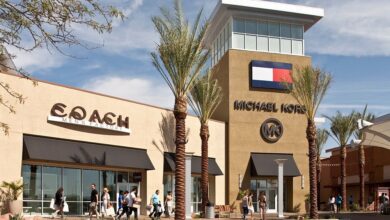
Today, that liquidation model has given way to a sophisticated, multi-billion-dollar retail channel. Outlet villages and factory centers are now curated shopping destinations complete with polished storefronts and experiential dining. To sustain this scale, retailers can no longer rely on sporadic overstock or factory blemishes. Instead, modern outlet operations depend heavily on exclusive collections manufactured specifically for the outlet channel. These made-for-outlet product lines now form the backbone of outlet marketing, allowing brands to protect brand equity, capture aspirational shoppers, optimize profit margins, and maintain year-round inventory consistency.
The Evolution from Liquidation to Planned Product Development
The transition from opportunistic clearance to planned product lines was driven by basic supply and demand economics. As factory outlet malls expanded, the volume of unsold boutique stock proved far too small and unpredictable to keep pace with customer traffic.
Overcoming the Flaws of the Surplus Model
Relying entirely on genuine overstock created major operational challenges for brands:
-
Inconsistent Sizing: Boutique clearance often left stores with extreme sizes, missing the core medium and large garments that the vast majority of shoppers demand.
-
Unpredictable Deliveries: Store managers had no control over incoming shipments, resulting in bare shelves during peak holiday weekends and overfilled stockrooms during seasonal transitions.
-
Chaotic Merchandising: Off-price surplus created a disorganized shopping experience, resembling discount closeout stores rather than premium fashion brand outposts.
The Rise of the Parallel Production Stream
To establish predictable retail environments, major fashion brands created parallel production lines. Apparel labels design, engineer, and source entire product catalogs built specifically for their outlet fleet. By treating the outlet network as an independent distribution channel with its own creative briefs and unit targets, companies ensure that tables and display racks remain fully stocked with coordinated color stories and complete size runs every single day of the week.
Protecting Mainline Brand Equity Through Strategic Segmentation
One of the most delicate challenges in fashion merchandising is lowering prices without cheapening the core brand. When luxury or premium labels offer steep discounts within their primary retail footprint, they risk alienating high-net-worth customers who pay full retail for exclusivity, status, and prestige.
Maintaining Spatial and Psychological Separation
Exclusive collections serve as a protective barrier between distinct consumer groups:
-
Geographic Insulation: Locating factory stores in dedicated outlet centers, typically thirty to sixty miles outside major metropolitan cores, prevents outlet shoppers from cannibalizing flagship boutique sales.
-
Catalog Differentiation: By creating exclusive lines for the outlet, brands prevent direct price comparisons. A shopper cannot easily find the exact same handbag or wool-blend coat in both the downtown flagship and the suburban outlet center, preventing the perception that mainline merchandise is overpriced.
-
Preserving Perceived Value: High-end brands can engage in aggressive promotional marketing at the outlet level without diluting the prestige of their mainline flagship collections, protecting the perceived status of runway releases.
Marketing Psychology: The Lure of Accessible Luxury
The success of exclusive outlet collections relies heavily on consumer psychology. Modern retail shoppers are value-conscious, seeking quality and prestige without paying full designer prices. Outlet collections tap directly into this mindset.
The Aspirational Value Proposition
Outlet-exclusive collections create an entry ramp for younger, aspirational consumers who admire high-fashion aesthetics but lack the disposable income to purchase mainline releases:
-
Logo Recognition: Outlet lines feature prominent, visible brand marks, giving shoppers the social prestige associated with luxury brands at an accessible price point.
-
Trend Adaptation: Rather than inventing radical new silhouettes, outlet design teams translate successful mainline aesthetics from previous seasons into accessible designs that cater to mass-market tastes.
-
The Thrill of the Bargain: Outlet shoppers arrive with an intention to buy, viewing their trip as an active bargain hunt. Framing exclusive items around deep percentage-off discounts triggers dopamine responses that encourage high transaction volumes.
Rebranding the Outlet Label
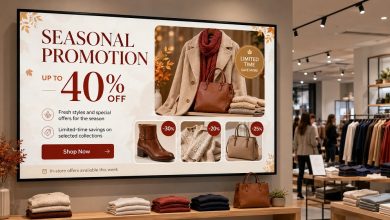
Brands have re-engineered how they present outlet collections in-store. Instead of using discount-heavy phrasing that implies lower quality, retailers market these lines using sophisticated sub-brands, such as studio collections, factory editions, or heritage lines. This elevated presentation reassures shoppers that they are buying an intentional, curated capsule rather than discarded remnants.
Cost Engineering and High-Margin Merchandising
A persistent misconception among consumers is that outlet goods must carry narrow profit margins because of their discounted prices. In reality, exclusive outlet merchandise frequently delivers higher profit margins than mainline retail items due to deliberate, upfront cost engineering.
Designing Directly to Price Points
When developing an exclusive outlet collection, designers work backward from a target price point, choosing construction methods that look refined while reducing production overhead:
-
Textile Adjustments: Replacing delicate pure silks or heavy pure wools with high-performance cotton blends, modal, or refined synthetics lowers material costs while improving durability and ease of care.
-
Hardware Modifications: Substituting hollow-core alloy zipper pulls and stamped clasps for the solid forged brass fittings used on flagship boutique accessories reduces raw metal expenditures.
-
Simplified Interior Detailing: Eliminating complex interior pockets, contrast edge-paintings, taped seams, or hand-finished pick stitching streamlines garment assembly lines, slashing the labor cost per unit.
Because these exclusive lines are engineered for cost-efficiency from the start, brands can run perpetual sixty percent off sales promotions while maintaining healthy gross margins.
Foot Traffic Generation and Destination Shopping
Unlike urban street-front shops that rely on steady foot traffic from commuters, outlet centers are destination hubs. Consumers plan dedicated day trips, drive significant distances, and visit with clear intent to spend money.
Exclusive collections play a central role in driving this traffic:
-
Targeted Promotional Campaigns: Outlet operators market these limited lines through digital loyalty programs, targeted social ads, and seasonal factory lookbooks, highlighting lines that shoppers cannot buy on the primary brand website.
-
Seasonal Capsule Drops: Releasing limited-edition outlet lines, such as nautical summer apparel or cozy autumn knitwear, encourages repeat visits from local shoppers who want to catch the newest arrivals.
-
Cross-Promotional Synergy: Major outlet developer platforms partner with tenant brands to promote exclusive capsule launches, organizing weekend-long shopping festivals that turn routine retail trips into leisure entertainment events.
Exclusive collections have transformed the economics of the modern outlet store. By abandoning the erratic, unpredictable liquidation model in favor of deliberate, cost-engineered production lines, brands have turned factory stores into consistent profit drivers. These dedicated collections allow fashion houses to welcome aspirational shoppers, safeguard their mainline luxury prestige, and keep sales floors beautifully stocked. For the modern apparel retailer, exclusive collections are not just an inventory solution; they are the cornerstone of a successful multi-tiered retail strategy.
Frequently Asked Questions
How can a shopper tell if a product was manufactured specifically for an outlet store?
Most apparel and accessory brands use subtle identifiers on price tags, interior labels, or style codes to distinguish made-for-outlet items from mainline boutique products. Common indicators include three small printed dots, two diamonds, or the inclusion of words like Factory or Outlet printed directly underneath the brand logo on the garment label. Additionally, searching the internal style number on the brand’s primary website will typically yield zero results if the piece was produced exclusively for the factory network.
Are exclusive outlet collections inferior in physical durability compared to flagship products?
Exclusive outlet collections are not necessarily poorly made, but they are built to different technical specifications. To hit lower price points, manufacturers often use lighter fabric weights, synthetic fiber blends, or simplified internal construction methods. While an outlet garment may lack the hand-stitched detailing or heavy metal hardware of a luxury boutique piece, it is still built to withstand regular laundering and daily wear, offering practical durability for everyday use.
Why do brands rarely sell their exclusive outlet collections on their primary websites?
Brands intentionally separate their digital storefronts to prevent cross-shopping and protect mainline sales. Selling lower-priced outlet lines on a primary flagship website could confuse shoppers, spark price comparisons, and dilute the luxury aura of full-price products. While some brands maintain a distinct, separate factory website, many keep outlet lines exclusive to physical factory stores to drive physical foot traffic to outlet properties.
Do luxury designer fashion houses use exclusive collections in their outlet stores?
The approach varies across luxury tiers. Mid-tier and accessible luxury brands rely heavily on planned exclusive lines, with made-for-outlet collections often representing eighty to ninety percent of total inventory. Ultra-luxury fashion houses and heritage Parisian ateliers, however, tend to use their outlet locations strictly to liquidate genuine excess inventory from past runway seasons, choosing to destroy or archive unsold items rather than produce lower-cost collections that might harm their elite reputation.
Can customers return items purchased from an exclusive outlet collection to a regular retail store?
In almost all cases, major retailers prohibit customers from returning outlet-exclusive merchandise to regular full-price flagship boutiques. Because flagship registers use different inventory management systems and do not carry outlet stock-keeping units, processing an outlet return at a mainline store disrupts local store inventory. Customers must return outlet items either to another factory outlet location or through a designated online outlet return portal.
How does the pricing strategy on outlet-exclusive price tags influence consumer decisions?
Exclusive outlet merchandise almost always features a manufacturer suggested retail price that is crossed out next to a heavily discounted sale price. This tactic, known in behavioral economics as price anchoring, establishes a high perceived baseline value in the shopper’s mind. Even if the item was engineered specifically to sell at the lower price and was never offered at the higher figure, the visual contrast makes the purchase feel like a substantial financial win.
What percentage of products at a typical outlet store are made-for-outlet versus authentic overstock?
At the majority of modern commercial outlet stores, made-for-outlet exclusive merchandise accounts for approximately eighty to ninety-five percent of the total inventory on the sales floor. Authentic overstocks, past-season boutique transfers, and customer returns typically represent only a tiny fraction of the store’s stock, and these items are usually relegated to clearance racks tucked away at the very back of the store.