
Trends in fashion cycle with rapid velocity, but fine jewelry operates on an entirely distinct temporal plane. A tailored garment eventually wears thin, and seasonal footwear loses its silhouette to scuffs and shifting tastes. A thoughtfully constructed piece of jewelry crafted from solid precious metals and resilient natural gemstones, however, defies obsolescence. It holds emotional gravity, commemorates major personal milestones, and endures across generations as a wearable family heirloom.
Building a well-curated jewelry collection does not require overflowing vanity cases or chasing high-fashion runway novelties that feel dated within six months. Instead, the most versatile, enduring collections rely on a small handful of foundational staples. These iconic pieces transition effortlessly from early-morning business boardrooms to casual weekend brunches and formal evening galas. By investing deliberately in classic silhouettes, genuine materials, and expert craftsmanship, you create a jewelry wardrobe that remains perpetually sophisticated.
The Versatility of Classic Diamond Stud Earrings
If a jewelry collection could contain only a single pair of earrings, diamond studs would claim that foundational spot without contest. Their design represents pure geometric simplicity: a single brilliant stone elevated in a discreet metal setting, resting flush against the earlobe.
Diamond Cut and Setting Preferences
Studs appear straightforward, but subtle architectural differences dictate how they interact with ambient light and everyday outfits:
-
The Round Brilliant Versus Princess Cut: The traditional round brilliant cut features fifty-seven or fifty-eight carefully placed facets, maximizing light refraction and sparkle. Princess and cushion cuts offer softer, vintage-leaning lines or crisp geometric corners for those who prefer modern, architectural tailoring.
-
Prong Configurations: Four-prong basket settings allow maximum light to enter the side facets of the stone, elevating brightness. Three-prong martini settings sit lower and tighter against the earlobe, preventing the earring from tipping forward under its own weight.
-
Bezel Encasements: A protective metal bezel wraps entirely around the circumference of the diamond. While slightly dampening lateral light entry, bezels offer a sleek modern silhouette, eliminate snagging on knit sweaters, and make stones appear visually larger.
Everyday Durability
Diamonds register at a ten on the Mohs hardness scale, making them the hardest natural mineral known to science. Unlike softer stones like opals, pearls, or emeralds, diamond studs resist surface scratching and chipping from daily contact with telephones, hairbrushes, and sleep wear, allowing them to remain comfortably in place around the clock.
The Grace of the Tennis Bracelet
Originally termed a diamond line bracelet, this fluid, continuous row of individually set stones earned its permanent athletic moniker during the 1978 US Open, when championship tennis star Chris Evert famously paused a match on court to retrieve her fallen diamond wristband.
Craftsmanship and Articulation
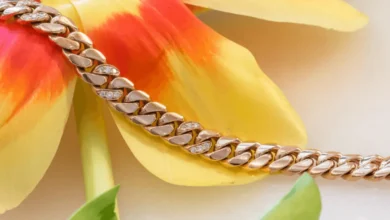
The genius of the tennis bracelet lies in its articulation. Rather than sitting stiffly like a cast bangle, dozens of miniature links are soldered together to create a sinuous, fabric-like drape that contours naturally to the wrist:
-
Flexible Symmetry: High-end line bracelets feature seamless links that bend smoothly around the wrist without pinching delicate skin or snagging arm hair.
-
Safety Clasps and Security Catches: Because tennis bracelets encounter constant hand movement and friction, choose pieces equipped with a primary box clasp supported by at least one, and preferably two, lateral figure-eight safety catches.
-
Layering Adaptability: The tennis bracelet looks strikingly refined on bare skin, yet it stacks harmoniously next to a structured leather-strap wristwatch or a pair of solid metal bangles.
Sculptural Metal Hoop Earrings
While diamond studs deliver delicate pinpoint brilliance, metal hoops frame the face with architectural lines and metallic warmth. Hoops represent one of the oldest jewelry silhouettes in recorded human history, discovered across ancient Sumerian, Egyptian, and Minoan archaeological sites.
Proportions and Everyday Utility
Finding the perfect hoop comes down to balancing diameter against metal gauge:
-
The Everyday Huggie: Small hoops measuring between ten and fifteen millimeters in diameter hug the lower lobe closely. Huggies offer clean metallic flashes ideal for conservative corporate settings, athletic training, and second-piercing placements.
-
The Medium Classic Hoop: Ranging from twenty to thirty-five millimeters with a wire thickness of two to three millimeters, medium hoops offer sufficient presence to balance wide-collared blazers and chunky winter turtlenecks without overpowering facial features.
-
Hollow Versus Solid Tubing: Daily-wear hoops benefit significantly from hollow interior fabrication. Hollow-tube manufacturing keeps earrings exceptionally light, preventing painful earlobe stretching during twelve-hour workdays while preserving a bold, substantial visual presence.
The Solitary Pearl Strand and Floating Pendant
Few biological gems possess the understated mystique of natural or cultured pearls. Unlike mined minerals that require cutting, facet polishing, and setting to display beauty, pearls emerge from mollusks with ready-to-wear luster, organic warmth, and deep iridescence.
Selecting Pearl Varieties
A simple strand of cultured pearls or a single floating pearl pendant brings soft, luminous texture into an otherwise metal-heavy jewelry collection:
-
Akoya Cultured Pearls: Renowned for their mirror-like luster, crisp surface reflections, and classic white tones with rose overtones, Akoya pearls set the global standard for formal, classic strands.
-
Freshwater Varieties: Modern freshwater pearls offer contemporary appeal, presenting varied metallic overtones, creamy lusters, and durable, thick nacre layers that withstand regular handling.
-
Tahitian and South Sea Options: For collectors who prefer larger scales and darker, moody hues, South Sea pearls deliver substantial diameters and rich golden or peacock-charcoal color profiles.
Structural Details of Quality Strands
A proper pearl strand is distinguished by its construction. Individual pearls must be hand-strung onto durable natural silk or high-tensile braided filament, with a tiny hand-tied knot separating each pearl. This knotted buffer stops the pearls from rubbing and scratching against adjacent surfaces and prevents the entire strand from scattering across the floor if the thread breaks under strain.
The Solid Metal Chain and Signature Pendant
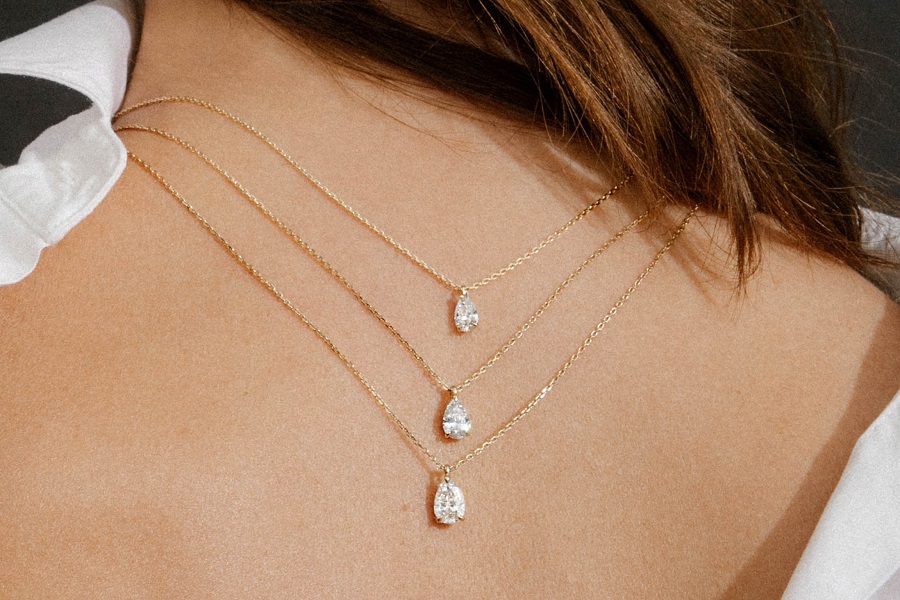
A durable, well-proportioned metal chain acts as the workhorse of any jewelry wardrobe. Worn alone, a chain catches light and complements unbuttoned shirts and scoop necklines; paired with a meaningful talisman or pendant, it transforms into an intensely personal daily emblem.
Enduring Chain Weaves
Certain chain links offer superior tensile strength and resist kinking:
-
The Cable and Anchor Link: Built from interlocking oval links, simple cable chains provide clean lines, exceptional tensile strength, and straightforward cleaning.
-
The Curb and Figaro Chain: Flattened, twisted links lay flat against the collarbone, offering a slightly bolder, masculine edge that layers comfortably underneath blazers.
-
The Box and Wheat Weave: Dense, closely linked square or braided links create a continuous, fluid rope of metal that supports heavy hanging charms and coin pendants without stretching or catching fine hair.
Personalizing with Medallions and Lockets
Pairing a sturdy gold or platinum chain with a meaningful pendant adds individuality to your collection. Vintage gold coin pendants, engraved astrological charts, hand-chiseled signet seals, or heirloom lockets containing photographs inject personal narrative into fine jewelry, ensuring your wardrobe feels distinct rather than generic.
The Substantial Signet or Cocktail Ring
While delicate, stackable bands enjoy occasional popularity, an anchoring ring provides structural gravitas to the hands. A substantial signet ring or a vibrant, bezel-set colored gemstone ring establishes an immediate focal point.
-
The Classical Signet: Historically used by nobility and merchants to stamp wax seals onto legal documents, modern solid gold or silver signet rings feature flat, oval or cushion faces. Worn on the pinky or index finger, they can be left polished blank for minimalist appeal or engraved with initials, heraldry, or personal mottos.
-
The Solitaire Colored Gemstone: A rich sapphire, deep green tourmaline, or fiery garnet set in a low-profile bezel or basket provides a pop of natural color that enlivens neutral wardrobes.
-
Solid Band Stacks: A thick, rounded cigar band or a clean channel-set eternity ring brings metallic balance to the opposite hand, balancing engagement rings and wedding sets with quiet confidence.
Curating an exceptional jewelry collection is an intentional, long-term endeavor. Rather than accumulating low-cost costume pieces that tarnish, oxidize, or break after short-lived seasonal wear, focus your capital on enduring staples crafted from solid karats of gold, durable platinum, and clean, certified stones. These foundational pieces will never go out of style, providing daily elegance today and passing down as treasured family heirlooms tomorrow.
Frequently Asked Questions
What is the functional difference between fourteen-karat and eighteen-karat gold for daily jewelry wear?
Pure gold is twenty-four karats, meaning it is too soft, malleable, and easily scratched to survive everyday physical wear. Fourteen-karat gold contains fifty-eight percent pure gold alloyed with metals like copper, silver, zinc, or nickel, producing a remarkably durable metal that resists bending and deep scratches during active daily tasks. Eighteen-karat gold contains seventy-five percent pure gold, giving it a richer, more saturated yellow color, but making it slightly softer and more susceptible to surface scratching. For pieces that take direct impacts like rings and bracelets, fourteen-karat offers maximum durability, whereas earrings and necklaces excel in eighteen-karat.
How should someone clean and care for cultured pearls at home without damaging their luster?
Cultured pearls are organic gems composed of delicate calcium carbonate nacre layers that dissolve when exposed to acidic chemicals. Never submerge pearls in ultrasonic jewelry tanks, steam cleaners, or commercial chemical dips. Clean pearls by gently wiping them with a clean, soft cotton cloth dampened with lukewarm water and a drop of mild baby soap after wearing them. Always put your pearls on last after applying hairspray, perfume, and body lotions, and store them flat in a breathable fabric pouch rather than hanging them, which stretches the interior silk thread.
Why is platinum often preferred over white gold for heirloom rings and fine settings?
Platinum is a naturally white metal that never requires rhodium electroplating to maintain its bright silver appearance, whereas white gold is an alloy naturally yellow in tone that must be re-plated periodically. Furthermore, platinum possesses exceptional material density; when platinum is scratched, the metal displaces rather than flaking away, forming a durable, satiny patina over decades without thinning out prong tips or structural shanks.
How do you determine the correct bracelet size for a tennis bracelet so it remains secure and comfortable?
A properly sized tennis bracelet should sit with enough slack to move fluidly along the wrist without sliding far down the palm or slipping over the knuckles. Measure your wrist circumference using a soft measuring tape directly above the wrist bone, then add roughly one-half to three-quarters of an inch to that measurement. You should be able to slide one finger comfortably between the fastened bracelet and your skin; this clearance ensures the bracelet drapes elegantly without catching on furniture or straining the internal clasp.
Are lab-grown diamonds considered appropriate for a timeless, long-term jewelry collection?
Lab-grown diamonds are chemically, physically, and optically identical to mined diamonds, sharing the exact same crystal lattice structure and registering a ten on the Mohs hardness scale. For collectors prioritizing budget efficiency, stone clarity, or environmental sourcing considerations, lab-grown diamonds provide an exceptional, durable alternative that will never cloud, scratch, or degrade over centuries of continuous wear.
What steps can you take to prevent fine necklaces and chain links from knotting during storage?
Preventing necklace tangles requires isolating the chains. Always fasten the clasp closed before storing any necklace to eliminate loose ends looping back through open links. Store chains individually in velvet-lined slots, hang them vertically on padded jewelry hooks, or slide the chain through a clean drinking straw and clasp it closed when traveling to keep the metal aligned straight and knot-free.
Why should jewelry wearers avoid storing fine pieces in bathrooms or damp areas?
Bathrooms experience dramatic swings in humidity, heat, and airborne steam from daily hot showers. Excess ambient moisture drastically accelerates the oxidation and tarnishing of sterling silver, causes brass and copper base alloys to discolor, and weakens the organic silk cords used to string pearls and beaded necklaces. Fine jewelry collections should always be stored in a dry, climate-controlled bedroom inside a felt-lined, dark jewelry box protected from direct humidity and sunlight.