
Fashion trends inevitably shift with every passing season, yet the items that truly anchor an era are its accessories. A dress or a tailored suit sets a general silhouette, but the hats, handbags, jewelry, shoes, and eyewear define the cultural context. Accessories have historically served as a mirror reflecting societal upheavals, technological milestones, economic crises, and movements toward personal liberation.
Tracing the evolution of accessories across the twentieth century into the modern era reveals how functional necessities transformed into potent vehicles for individual expression. From the opulent, rule-breaking ornaments of the Roaring Twenties to the tech-driven, minimalist pieces of the twenty-first century, every decade carved out an unmistakable aesthetic vocabulary.
The 1920s: Rebellion and Art Deco Opulence
The 1920s ushered in a radical departure from the suffocating layers and rigid corsetry of the Victorian and Edwardian periods. As women gained the right to vote and joined the workforce in growing numbers, their daily attire required newfound freedom. Accessories became bold statements of liberation.
-
The Cloche Hat: Designed to fit snugly over modern bobbed haircuts, this helmet-like felt hat eliminated the need for elaborate Victorian millinery pins and decorative birds, giving women a sleek, aerodynamic look.
-
Long Beaded Sautoirs: Slender necklaces strung with faux pearls or glass beads often reached the waistline. Dancers flung these swinging ropes of jewelry while moving to dynamic jazz music.
-
Art Deco Motifs: Geometric designs influenced by architecture, cubism, and Egyptian discoveries appeared on compact cases, cigarette holders, and enameled vanity bags.
-
T-Strap Shoes: Practical low heels with supportive buckles enabled energetic social dancing without the fear of footwear flying across ballroom floors.
The 1930s: Hollywood Glamour and Austere Ingenuity
The economic shock of the Great Depression forced the fashion world to pivot toward ingenuity and resourcefulness. While everyday citizens repaired and repurposed existing items, Hollywood cinema offered a visual escape. Accessories during this era balanced austerity with escapist luxury.
-
Slouch Hats and Berets: Championed by silver screen icons like Greta Garbo and Marlene Dietrich, softly structured hats replaced rigid cloches, allowing for casual, elegant styling.
-
Costume Jewelry Innovations: With precious metals and gemstones out of reach for most families, manufacturers popularized Bakelite, paste stones, and pot metal to create affordable, sparkling brooches and clips.
-
Structured Frame Bags: Leather was rationed or expensive, so designers turned to embossed fabrics, faux leathers, and rigid clasp closures to create small, ladylike purses.
-
Bias-Cut Complements: Long gloves extending to the elbow became a standard formal accessory, paired with fluid evening gowns to project an air of sophisticated aristocracy.
The 1940s: Utilitarian Pragmatism and Post-War Revival
World War II imposed strict rationing on leather, wool, nylon, and metal. The fashion industry adapted with remarkable creativity, turning accessories into the primary method for refreshing standardized civilian wardrobes.
-
Turbans and Headscarves: Practicality dictated that factory workers secure their hair away from industrial machinery. Silk, rayon, and cotton headscarves quickly evolved into chic street fashion statements.
-
Cork and Wooden Soles: With rubber and heavy leather reserved strictly for military boots, footwear designers popularized wedges and platform shoes crafted from cork, raffia, and carved wood.
-
Shoulder-Strap Bags: As women took on active civic, industrial, and military roles, hands-free utility became paramount, establishing the crossbody utility bag as an everyday essential.
-
The Post-War New Look: When Christian Dior introduced his cinched silhouettes in 1947, accessories responded with wide-brimmed cartwheel hats, delicate wrist gloves, and wasp-waist leather belts that celebrated feminine luxury.
The 1950s: Polished Conformity and Coordinated Elegance
The 1950s embraced domestic stability and consumer abundance. Accessories were defined by strict rules of coordination. An elegant outfit required perfectly matched shoes, gloves, handbags, and headwear.
-
Matching Sets: Women wore matched parures featuring button earrings, collar necklaces, and coordinating bracelets crafted from lucite, faux pearls, or rhinestones.
-
The Stiletto Heel: The engineering marvel of the metal-reinforced stiletto heel emerged, creating an arched posture that redefined high-fashion footwear.
-
Cat-Eye Eyewear: Eyeglasses evolved from medical devices into glamorous style accents, sporting upswept outer corners frequently decorated with rhinestones, filigree, or tortoiseshell patterns.
-
Pillbox Hats: Smaller, structured hats designed to perch gracefully atop sculpted bouffant hairdos took precedence over wide-brimmed styles, later immortalized by First Lady Jacqueline Kennedy.
The 1960s: The Youthquake and Space Age Mod
The mid-1960s severed ties with mid-century formality. Driven by youth culture, London street style, and the space race, accessories embraced synthetic materials, vivid colors, and anti-establishment sensibilities.
-
Go-Go Boots: André Courrèges and Mary Quant popularized white, low-heeled vinyl boots that hit just below the knee, designed specifically to accompany revolutionary mini-skirts.
-
Oversized Plastic Jewelry: Natural gemstones gave way to bright acrylic rings, vinyl collar chokers, and gigantic dangling geometric earrings shaped like targets, triangles, and flowers.
-
Bug-Eye Sunglasses: Round, chunky frames made of translucent plastic dominated youth fashion, often worn in solid whites, neon pinks, and checkerboard prints.
-
The Shift Toward Unstructured Purses: Rigid leather frame bags were cast aside for soft vinyl bucket bags, canvas totes, and metallic shoulder purses that complemented active lifestyles.
The 1970s: Bohemian Freedom and Disco Extravagance
The 1970s was a decade of striking dualities, moving between earth-toned countercultural aesthetics and the shimmering, hedonistic atmosphere of the disco scene.
-
Earthy Natural Materials: Handcrafted leather fringe bags, tooled belts with large brass buckles, macrame chokers, and turquoise inlaid silver jewelry defined the hippie and boho aesthetics.
-
Towering Platforms: Men and women alike wore wooden, leather, and glitter-coated platform shoes that raised heights by several inches, designed for balance on dance floors.
-
Aviator Sunglasses: Wire-rimmed aviator frames featuring gradient tint lenses in amber, rose, and hazel tones became universal staples.
-
Slouchy Bags: Soft leather hobos and oversized shoulder satchels replaced stiff, boxy luggage-style purses, prioritizing ease of movement.
The 1980s: Power Dressing and Bold Consumerism
Economic expansion, MTV, and the rise of Wall Street culture transformed the 1980s into an era of unapologetic excess. Accessories grew dramatically in scale, functioning as overt status symbols.
-
Statement Jewelry: Enormous faux-gold door-knocker earrings, layered pearl ropes, and broad wrist cuffs were worn to project executive power and opulence.
-
Designer Status Bags: Prominent brand logos, quilted leather patterns, and heavy gold-chain straps signaled personal wealth and commercial prestige.
-
Athletic Cross-Pollination: Sweatbands, neon plastic bangles, scrunchies, and leg warmers crossed over from aerobics studios into daily casual streetwear.
-
Wide Cinch Belts: Chunky leather and elastic belts with oversized geometric buckles were cinched tight over blazers, coats, and oversized knit sweaters to accentuate dramatic shoulder pads.
The 1990s: Grunge Irony and Sleek Minimalism
Reacting against the loud consumerism of the 1980s, the 1990s splintered into two dominant styles: gritty, anti-fashion grunge and clean, architectural minimalism.
-
The Baguette Bag: Compact shoulder bags with short straps that nestled snugly beneath the arm, made famous by pop culture figures, became an era-defining silhouette.
-
Grunge Accents: Black velvet chokers, combat boots, bead necklaces, and knit beanies signaled rebellion against corporate gloss.
-
Minimalist Eyewear: Tiny, wire-frame sunglasses with oval or rectangular lenses replaced the oversized shades of earlier decades.
-
Casual Footwear Dominance: Chunky lug-sole boots, slide sandals, and classic skate sneakers became acceptable footwear across all social settings.
The Modern Era: Hybrid Tech and Archival Nostalgia
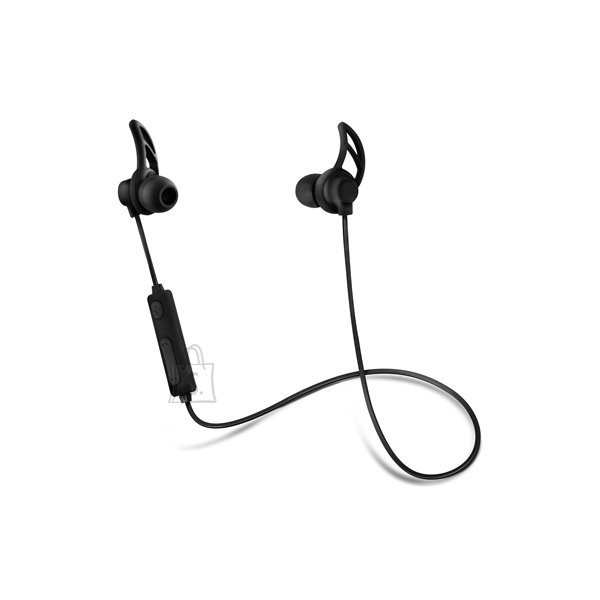
Today, accessory trends circulate faster than ever due to digital algorithms, yet two distinct currents shape modern choices: technological convergence and archival appreciation. Smartwatches and wireless earbuds now function as everyday aesthetic pieces alongside rings and bracelets. Simultaneously, consumers increasingly hunt for authentic vintage handbags and historic jewelry silhouettes, using archival accessories to counter mass-produced fast fashion.
Accessories have ceased to be mere afterthoughts added to an outfit. They remain what they have always been: cultural markers of freedom, social status, and individual identity that tell the story of human history one detail at a time.
Frequently Asked Questions
Why did hat-wearing decline so sharply after the mid-twentieth century?
The decline of everyday millinery was influenced by changing lifestyle habits and practical transportation shifts. As personal automobiles with lower rooflines became standard family transport, wide-brimmed and structured hats became physically awkward to wear. Simultaneously, more casual post-war hairstyling techniques and relaxed social etiquette meant that individuals no longer faced cultural expectations to cover their heads in public.
What was the original practical purpose of the stiletto heel?
While the stiletto heel quickly became an enduring symbol of glamorous femininity, its creation was made possible by advanced architectural and metallurgical engineering. Early versions incorporated a slender steel rod inside the heel shank, which allowed designers to create an unprecedentedly thin silhouette without the wood or plastic structure snapping under normal human body weight.
How did World War II material restrictions directly influence jewelry manufacturing?
During the war, copper, bronze, and aluminum were commandeered for ammunition, ships, and aircraft production. Jewelers responded by turning almost exclusively to sterling silver, often plating it with thin layers of gold to create vermeil. Furthermore, artisans incorporated non-rationed local materials like wood, leather cords, and carved shell into high-end jewelry collections.
What is the historical significance of the charm bracelet?
Charm bracelets gained widespread momentum during World War II, when soldiers stationed overseas purchased miniature local trinkets and carved silver charms to send home to sweethearts and mothers. In the 1950s and 1960s, charm bracelets evolved into coming-of-age keepsakes, with young women collecting symbolic pendants to mark academic graduations, travel milestones, and family events.
Why did Bakelite become such an important material for early costume jewelry?
Bakelite was the world first entirely synthetic thermosetting plastic, meaning that once molded, it would not melt or warp under heat. It could be dyed in vibrant, opaque colors, carved like precious wood or ivory, and polished to a rich gloss, providing Depression-era designers with an affordable, highly durable medium for bold jewelry designs.
How did the rise of hip-hop culture in the late twentieth century reshape luxury accessories?
Hip-hop culture democratized and subverted luxury fashion by turning oversized accessories into statements of pride and resilience. Heavy gold rope chains, custom nameplates, framed sunglasses, and athletic bucket hats were elevated into high-fashion statements. This aesthetic forced traditional European luxury houses to rethink streetwear and embrace athletic footwear as high-end design assets.
Why are miniature eyewear frames from the 1990s considered a stylistic reaction to the 1980s?
Fashion regularly operates on pendulum swings. The 1980s prioritized large shields, mirrored surfaces, and brightly colored oversized plastic frames that took up half the face. The 1990s countered that visual excess by stripping accessories down to their simplest functional forms, resulting in ultra-thin wire frames and tiny, dark lenses that emphasized stark simplicity.