

Introduction
Outlet stores are no longer the hidden corner of retail reserved for bargain hunters. They’ve become powerful strategic assets for brands that understand how to balance value, exclusivity, and customer engagement. As traditional retail grapples with shifting consumer expectations and digital disruption, outlet formats have quietly evolved into hybrid environments blending physical experience, dynamic pricing, and brand storytelling. This article explores how modern outlet stores are redefining profitability, customer perception, and operational efficiency for the next generation of retailers and investors.
The Modern Evolution of the Outlet Store
The term “outlet” once implied surplus clearance or inventory liquidation. Today, it represents a sophisticated retail model that leverages data, design, and digital technology to serve both the cost-conscious and the brand-loyal shopper. Brands are no longer using outlet stores merely to dispose of excess inventory; they’re crafting dedicated outlet-exclusive product lines, integrating omnichannel features, and turning these stores into branded destinations. The new wave of outlet retail is about optimizing every square foot — where pricing strategy, experience design, and sustainability intersect.
Strategic Importance of Outlet Stores in a Brand’s Portfolio
Outlet stores play a crucial role in maintaining equilibrium within a brand’s distribution network. Their strategic value extends far beyond the simple “discount” label:
-
Inventory optimization: Outlets act as a pressure valve for seasonal or overproduced stock, freeing up warehouse capacity while maintaining profitability.
-
Brand engagement: For many consumers, outlet stores provide the first direct touchpoint with a luxury or premium brand — effectively becoming brand gateways.
-
Revenue diversification: In uncertain retail climates, outlets provide steady cash flow and attract price-sensitive segments without cannibalizing premium channels.
-
Market penetration: Outlets enable brands to test secondary or regional markets before committing to full-scale retail investments.
The Shift from Clearance to Curated Collections
Once synonymous with end-of-line products, outlet stores are now built on curation. Many brands develop collections that mirror mainline aesthetics but are designed specifically for the outlet environment. These collections allow:
-
Consistent product flow without relying on overproduction.
-
Lower price points that protect full-price lines from dilution.
-
Flexibility in manufacturing — smaller runs, unique materials, or seasonal variations that maintain novelty.
For high-end fashion and lifestyle brands, this approach preserves brand integrity while satisfying customer demand for accessibility. The outlet is no longer a dumping ground; it’s a parallel retail universe with its own creative and commercial identity.
Designing the Destination Experience
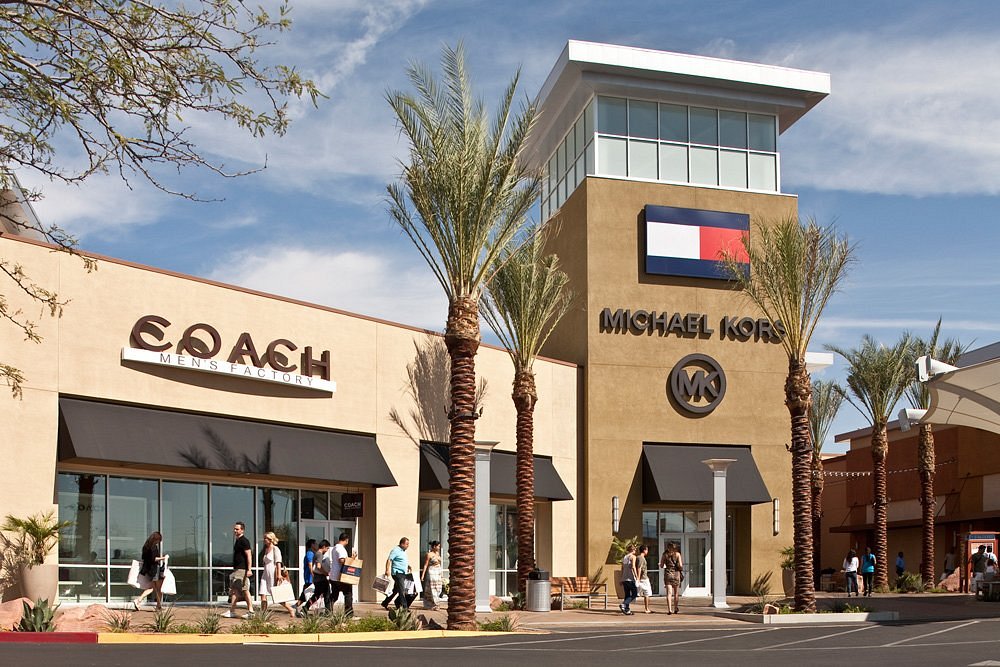
Modern outlet centers have transformed from utilitarian warehouse spaces into destination experiences. Developers and brands understand that the draw isn’t just price — it’s discovery, leisure, and exclusivity.
Key pillars of the new outlet experience:
-
Architectural storytelling: Open-air layouts, lifestyle zones, and thematic architecture enhance dwell time and brand immersion.
-
Experiential retail: Pop-up installations, product personalization counters, and interactive digital walls create memorable touchpoints.
-
Integrated dining and entertainment: Premium food halls and entertainment clusters convert shopping trips into day-long excursions.
-
Seasonal and event-driven engagement: Outlets now host art installations, concerts, and sustainability-themed events to encourage repeat visits.
By positioning themselves as leisure destinations, outlet centers attract a mix of tourists, families, and cross-border shoppers — fueling sustained footfall and emotional loyalty.
Data-Driven Inventory and Dynamic Pricing
Data analytics has revolutionized outlet retail. The most successful brands use real-time data from e-commerce, logistics, and customer behavior to adjust their outlet inventory and pricing dynamically.
Advanced inventory management techniques include:
-
Predictive allocation: Leveraging AI to forecast which product categories or sizes perform best across specific outlet locations.
-
Integrated replenishment cycles: Aligning outlet deliveries with warehouse and online sales trends to maintain freshness in assortment.
-
Dynamic pricing systems: Adapting markdowns based on demand elasticity, store traffic, and competitor behavior — ensuring maximum margin retention.
This analytical backbone transforms outlet management from reactive clearance to proactive optimization.
Sustainability as a Competitive Edge
Sustainability has become a differentiator in outlet retail. As consumers grow more conscious of ethical consumption, outlets can authentically position themselves as part of the circular economy.
-
Reducing waste: Outlet stores help minimize unsold inventory and textile waste by channeling products into secondary sales cycles.
-
Green infrastructure: Developers are investing in eco-friendly building designs, renewable energy use, and smart waste systems.
-
Ethical storytelling: Brands are highlighting how outlet shopping contributes to sustainable fashion by extending product lifecycles.
This eco-conscious positioning not only attracts younger consumers but also aligns outlet retail with corporate ESG objectives — enhancing investor appeal.
Technology Integration and Omnichannel Expansion
Today’s outlet shopper is as digitally savvy as any e-commerce customer. Integrating online and offline experiences is essential to maintaining relevance.
Key digital advancements shaping the outlet sector include:
-
Virtual outlet shopping: Digital storefronts replicate the in-store outlet experience for remote buyers.
-
Inventory visibility tools: Real-time stock updates via apps and websites encourage store visits.
-
Click-and-collect & reserve-in-store: These hybrid models drive omnichannel convenience while boosting conversion.
-
Personalized marketing automation: AI-powered segmentation tailors promotions to individual customer profiles based on browsing and purchase history.
As the line between physical and digital retail blurs, outlet stores that integrate these systems stand to dominate their niche.
Financial Optimization and Lease Strategies
Financial sustainability is another defining challenge for outlet operations. Successful outlet developers and retailers are employing new leasing models to balance profitability and risk.
-
Percentage rent agreements: Aligning rent with actual store performance rather than fixed rates enhances long-term viability.
-
Flexible leasing formats: Short-term or rotating retail spaces allow brands to test new concepts or seasonal offerings.
-
Shared marketing funds: Joint promotional budgets between tenants and landlords amplify visibility without inflating individual marketing costs.
By aligning financial structures with operational realities, both developers and tenants secure mutual growth and stability.
The Road Ahead: Redefining Outlet Economics
As retail boundaries continue to blur, outlet stores are poised for reinvention. The coming years will likely see:
-
Expansion of urban micro-outlets offering convenience-based value retail in high-density city zones.
-
Greater integration of digital analytics to manage consumer lifecycle engagement.
-
Collaboration between outlet developers and tourism boards to boost regional economic growth.
-
Emphasis on sustainability credentials and ethical storytelling as core branding levers.
The outlet model is evolving from a cost-saving mechanism to a full-fledged strategic channel that combines experience, efficiency, and exclusivity.
FAQs
1. Are outlet stores becoming redundant in the age of online shopping?
No. Outlet stores remain relevant because they provide tangible experiences and immediate value. The tactile nature of shopping and instant gratification continue to draw customers, even in a digital-first era.
2. How do brands protect their premium image while operating outlets?
Brands achieve this by offering outlet-exclusive collections, clear differentiation in labeling, and maintaining consistent design standards without replicating flagship merchandise.
3. What role does data play in outlet store performance?
Data analytics drives inventory rotation, pricing decisions, and customer engagement strategies, allowing retailers to maximize sales while minimizing overstock.
4. Can outlet stores operate successfully in urban centers?
Yes. Emerging “micro-outlet” concepts are showing promise in dense urban markets by focusing on convenience, curated assortments, and digital integration.
5. How are outlet malls integrating sustainability into their operations?
Through eco-friendly construction, solar energy usage, waste reduction initiatives, and by promoting circular fashion via extended product life cycles.
6. What’s the biggest operational challenge for outlet retailers today?
Balancing brand integrity with discount pricing remains the most critical challenge. Maintaining differentiation while ensuring profitability requires precise planning and continuous innovation.
7. How can technology further enhance outlet performance?
From AI-driven inventory management to AR-powered in-store experiences, technology personalizes and optimizes every customer interaction, boosting satisfaction and loyalty.
Final Insight: Outlet stores are no longer an afterthought in the retail strategy. They are data-driven, design-led, and purpose-built ecosystems where affordability meets aspiration. The brands that embrace this evolution will redefine not just outlet retail, but the very meaning of accessible luxury in the modern marketplace.