
Introduction
Gifting has always been a form of silent communication, transcending material value to convey emotions and intentions. In today’s luxury-driven culture, gifting has evolved from mere generosity into a psychological statement—reflecting identity, taste, and emotional intelligence. Unlike everyday tokens, premium gifts are curated with precision, designed to build deeper connections and create lasting impressions. Understanding the psychology behind luxury gifting reveals why certain gifts hold transformative power in both personal and professional relationships.
The Emotional Intelligence Behind Premium Gifts
1. Emotional Significance Over Monetary Worth
Luxury gifting isn’t simply about price—it’s about perception. A thoughtfully chosen high-end gift shows that the giver understands the receiver’s aspirations and preferences. When a luxury gift aligns with the recipient’s personality, it communicates recognition and respect. This emotional alignment enhances trust and connection, far more than generic or obligatory gifts could ever achieve. The act becomes symbolic, not transactional, because it demonstrates a deep awareness of what truly delights the receiver.
2. The Allure of Exclusivity and Anticipation
Exclusivity plays a central role in the psychology of luxury gifting. Limited-edition or custom-made gifts create a sense of privilege that heightens emotional response. The human brain is wired to value rarity, which makes exclusive gifts feel more meaningful. Anticipation also amplifies this effect—the excitement leading up to receiving or unveiling a luxurious item can trigger dopamine, creating a heightened sense of joy and fulfillment. For this reason, luxury gifting often involves deliberate presentation and storytelling to elevate the entire experience.
3. Luxury Gifts as Emotional Storytelling
Every luxury gift tells a story—about the giver, the receiver, and their shared relationship. A personalized piece of jewelry or an artwork commissioned for a specific occasion captures emotions that words alone cannot express. In corporate settings, storytelling-driven gifts strengthen emotional recall; recipients associate the brand with meaningful experiences rather than marketing tactics. When a gift becomes part of someone’s personal narrative, it transcends its material identity and turns into a lasting emotional anchor.
The Role of Luxury Gifting in Relationship Building
1. Strengthening Personal Bonds
In personal relationships, luxury gifting deepens emotional intimacy by symbolizing effort and attentiveness. The giver’s willingness to invest time, money, and creativity signals commitment and appreciation. Couples, friends, and family members often choose luxury items not for their extravagance but for their capacity to represent milestones—anniversaries, achievements, or once-in-a-lifetime memories. A bespoke leather bag, for example, may signify admiration for one’s journey or career growth, blending emotional and symbolic depth seamlessly.
2. Professional and Corporate Impact
In the business world, strategic luxury gifting can significantly influence reputation and loyalty. High-quality, well-curated gifts establish credibility and trust, particularly in industries where long-term relationships are vital. Executives often use luxury items to celebrate milestones, secure partnerships, or acknowledge top-performing employees. When done right, such gestures reflect a company’s values—attention to detail, quality, and respect. However, the key lies in personalization; a luxury gift must feel authentic rather than promotional to truly resonate.
3. Cross-Cultural Sensitivity in Luxury Gifting
Luxury gifting takes on different meanings across cultures. In Japan, the concept of Omiyage emphasizes modesty and thoughtfulness, while in Western cultures, exclusivity and brand recognition often carry greater weight. Understanding these nuances ensures that luxury gifts are received with respect and appreciation. A misaligned gift may inadvertently send the wrong message, but a culturally aware gesture communicates emotional intelligence and global sophistication—traits essential for successful international relationships.
The Branding Perspective: Building Loyalty Through Luxury Gifts
1. The Power of Emotional Branding
Luxury brands leverage gifting to evoke emotional loyalty rather than transactional satisfaction. When a client receives an exclusive invitation, a customized gift, or an early access experience, it creates an emotional bond that goes beyond the product. Brands like Rolex or Louis Vuitton understand that luxury is not just a commodity—it’s an emotional ecosystem. These experiences make consumers feel part of an elite circle, reinforcing long-term brand attachment.
2. Experiential Gifting and Memory Creation
Modern luxury gifting trends focus less on tangible objects and more on experiential value. Exclusive spa retreats, private chef dinners, or personalized travel experiences are becoming the new definition of luxury. Experiences create emotional memories that last far longer than physical items. When a brand facilitates such experiences, it positions itself as a creator of memories, not just products. This strategic shift strengthens emotional recall, ensuring that the recipient associates their joyful experience with the brand itself.
3. Sustainability and Ethical Luxury
A modern evolution in luxury gifting is the growing emphasis on sustainable luxury. Consumers today value brands that merge opulence with ethics—whether through responsible sourcing, craftsmanship, or social impact. Givers who choose ethically conscious luxury gifts communicate both sophistication and integrity. Such gifts resonate deeply with environmentally and socially aware recipients, aligning shared values with refined taste. This emerging trend redefines prestige, shifting it from excess to purpose.
The Hidden Influence of Presentation and Ritual
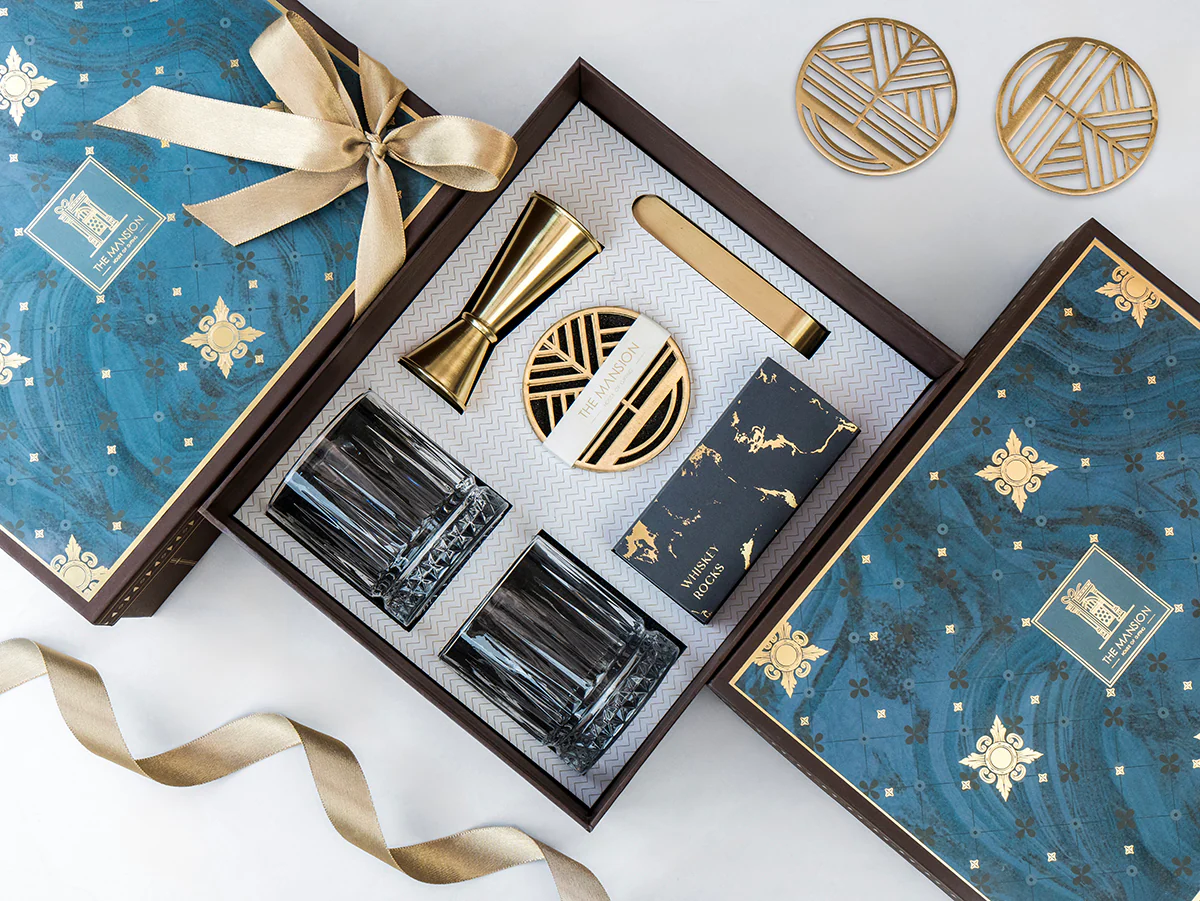
Presentation is a psychological amplifier. The unboxing ritual of a luxury gift—its texture, scent, and aesthetic—creates multisensory stimulation that enhances emotional engagement. High-end packaging triggers excitement and anticipation, setting the tone before the actual gift is revealed. This sensory experience, often called the theater of gifting, can transform even the simplest gift into a profound emotional moment. For brands, investing in premium presentation communicates attention to detail and elevates perceived value instantly.
The Future of Luxury Gifting
As personalization technologies advance, luxury gifting will continue to evolve. AI-driven recommendations, digital customization, and blockchain-based authenticity certificates are redefining what exclusivity means. Tomorrow’s luxury gifts will be hyper-personalized, blending technology, craftsmanship, and emotion. The next frontier lies in combining tangible luxury with digital sentiment—custom NFTs, immersive experiences, and hybrid physical-digital gifts that merge emotional storytelling with innovation.
Conclusion
Luxury gifting is no longer just a demonstration of wealth—it’s a refined language of emotional understanding, relationship building, and brand storytelling. Whether between individuals or corporations, the true value of a premium gift lies in its power to communicate meaning, authenticity, and exclusivity. By mastering the psychology of gifting, both people and brands can cultivate connections that last far beyond the moment of exchange.
Frequently Asked Questions (FAQs)
1. What makes a luxury gift psychologically impactful?
A luxury gift becomes impactful when it reflects emotional awareness, personalization, and exclusivity, creating a strong psychological connection between giver and receiver.
2. How do luxury gifts influence brand loyalty?
They establish emotional resonance, making customers feel valued and understood, which strengthens long-term loyalty and advocacy.
3. Why is presentation so important in luxury gifting?
The unboxing experience enhances anticipation, emotional excitement, and perceived value, significantly amplifying the overall impact of the gift.
4. Are experiential gifts replacing physical luxury items?
Yes, experiential luxury is gaining popularity as people value unique, memorable experiences over material possessions.
5. How can luxury gifting support sustainability?
By choosing ethically sourced, eco-friendly, or socially responsible products, givers can express sophistication with conscience.
6. What role does personalization play in premium gifting?
Personalization transforms a gift from an object into an emotional statement, reinforcing the uniqueness of the relationship.
7. How can businesses avoid appearing transactional with corporate luxury gifts?
By focusing on authenticity, relevance, and storytelling—selecting gifts that express genuine appreciation rather than mere promotion.